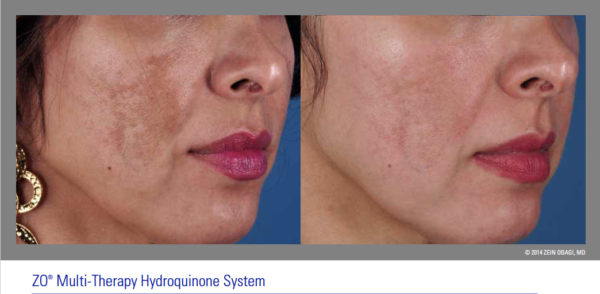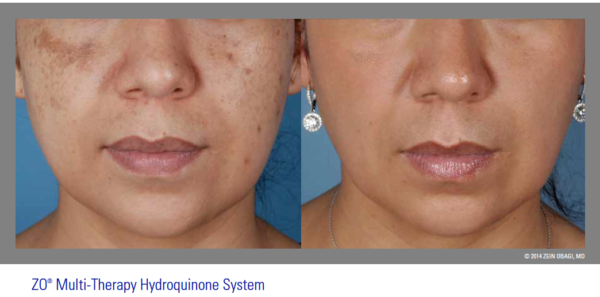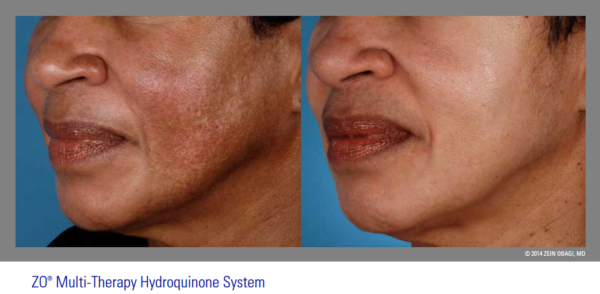
Skin Hyperpigmentation: Melasma
Modern Skin Clinic · Charlotte, North Carolina
Melasma Treatment in Charlotte, NC
A personalized approach to melasma and stubborn hyperpigmentation built around pigment control, visible-light protection, professional skincare and carefully selected procedures.
Melasma is different from an ordinary sun spot. It is a chronic, recurrent pigment condition influenced by melanocyte activity, ultraviolet and visible light, hormones, inflammation and individual skin biology. Successful treatment usually requires a plan that controls pigment production as well as the triggers that keep turning it back on.
- Melasma
- Hormonal pigmentation
- Post-inflammatory hyperpigmentation
- Uneven skin tone
- Sun-related discoloration
- Long-term pigment maintenance
Pigment Control · Not Pigment Chasing
Melasma isn't simply a brown spot we erase.
It is a condition we learn to control. That means knowing when a peel, Q-Switch, SkinPen or light-based treatment may help — and when adding heat or inflammation could make the pigment more reactive.
South Charlotte · Ballantyne · Waverly · Rea Farms · SouthPark
Understanding The Condition
What Is Melasma?
Melasma causes symmetric patches of brown, gray-brown or darker discoloration, most commonly on the cheeks, forehead, upper lip, nose and jawline. It occurs when pigment-producing melanocytes become overactive and produce more melanin than the surrounding skin.
It is especially common in women and in people whose skin tans easily, although anyone can develop melasma. Pregnancy, hormonal changes, oral contraceptives, ultraviolet exposure and visible light can all contribute to pigment activity.
Melasma can improve significantly, but recurrence is common. That is why we approach it differently from a single age spot or isolated freckle: treatment is usually a combination of correction, suppression and maintenance.
Diagnosis Changes The Treatment
Melasma vs. Sun Spots vs. Post-Inflammatory Hyperpigmentation
“Brown spots” are not one condition. Treating all pigmentation with the same laser or light setting is one of the easiest ways to choose the wrong treatment.
Why It Keeps Returning
What Triggers Melasma?
More than one trigger may be present at the same time. Understanding those triggers helps determine whether we should correct aggressively, move slowly, or emphasize home care and photoprotection first.
Sun Exposure
Ultraviolet exposure stimulates pigment production and can darken existing melasma or reactivate previously improved areas.
Light Beyond UV
Visible light can contribute to persistent hyperpigmentation, especially in more melanated skin. This is why tinted iron-oxide sunscreen matters.
Pregnancy & Hormonal Change
Pregnancy, birth-control medication and other hormonal shifts can influence melanocyte activity and melasma behavior.
Irritation & Over-Treatment
Excess irritation, aggressive exfoliation or an inflammatory procedure can trigger post-inflammatory pigment and make an already reactive melasma pattern harder to control.
Procedural Heat
Lasers and light devices can be useful in selected cases, but heat and inflammation can also aggravate melasma. Device selection and settings matter.
Individual Reactivity
Melasma is biologically complex. Genetics, stress, medications and individual skin behavior can influence how persistent it becomes.
The Modern Skin Clinic Approach
A Five-Part Melasma Control Strategy
Instead of relying on one “hero” treatment, we build the plan around the different factors that keep pigment active.
Identify the Pigment
Distinguish melasma from sun spots, PIH and lesions that should be evaluated by a dermatologist.
Suppress Pigment
Use professional home care such as hydroquinone, azelaic acid, alpha arbutin or other pigment-regulating ingredients when appropriate.
Protect From Light
Daily broad-spectrum SPF plus visible-light protection is part of treatment, not an optional extra.
Correct Carefully
Add chemical peels, SkinPen or selected pigment technology when the skin is prepared and the benefit outweighs the inflammatory risk.
Maintain
Once pigment improves, transition into a maintenance strategy rather than stopping everything and waiting for recurrence.
Professional Treatment Options
Procedures We May Use in a Melasma Treatment Plan
No device is automatically “the melasma treatment.” Each modality has a different job, and some patients need topical stabilization before procedural treatment is considered.
Q-Switch Nd:YAG
Low-fluence or otherwise carefully selected Q-Switch strategies may be considered for selected melasma patterns or residual pigment. Melasma can relapse after laser treatment, so Q-Switch is used as an adjunct rather than a promise of permanent clearance.
Explore Q-Switch Nd:YAG →IPL / BBL
IPL and BBL are excellent for many forms of sun damage, brown spots and redness, but melasma requires more caution. We do not automatically treat every brown patch with IPL simply because it contains pigment.
Explore IPL Photofacial → · Explore BBL Photofacial →Chemical Peels
Selected superficial or medium-depth peel strategies can improve epidermal pigment and support a broader melasma program. VI Precision Plus and selected PCA/pigment-focused peels may be considered depending on skin type and home-care preparation.
Explore Chemical Peels →SkinPen Microneedling
Microneedling can be considered as part of selected melasma strategies, particularly when texture or skin quality is also a concern. Because any inflammatory procedure can trigger pigment, timing and skin preparation matter.
Explore SkinPen →Exosomes & Growth Factors
Exosomes are not presented as a primary melasma pigment suppressor. They may be incorporated into selected treatment plans as a regenerative skin-care adjunct when the goal also includes recovery support, barrier quality and overall skin rejuvenation.
Explore Exosomes →Professional Home-Care Programs
For many clients, topical pigment suppression and strict photoprotection are the foundation. Procedures are added only after the skin is stable enough to benefit from them.
Explore Home-Care Options →One of the Most Important Questions
Can Lasers or IPL Make Melasma Worse?
Yes — they can in some patients. Chemical peels, microneedling, Q-Switch lasers, IPL and other energy-based treatments may help selected melasma cases, but inflammation and heat can also trigger post-inflammatory hyperpigmentation or melasma recurrence.
This is why treating melasma is not the same as treating an isolated sun spot. The decision should consider skin tone, pigment pattern, recent sun exposure, home-care preparation and how reactive the skin has been in the past.
- Identify whether the pigment is melasma, sun damage, PIH or another lesion.
- Stabilize active melasma with appropriate home care and photoprotection.
- Choose procedural energy conservatively when melasma is present.
- Avoid chasing pigment with repeated aggressive treatments.
- Refer suspicious, changing or diagnostically unclear lesions for medical evaluation.
Home Care Is Treatment
Professional Melasma & Pigment-Control Products
Melasma is a condition where what you use every day can matter as much as what happens in the treatment room. The routine is selected according to pigment pattern, skin sensitivity, pregnancy status, prescription eligibility and how much irritation the skin can tolerate.
Double White
Double White is more than a single “brightening cream.” NOON's current professional materials describe it as a two-part intensive pigment system designed to address dullness, uneven tone and visible discoloration through several pigment pathways at the same time.
Step A — Vitamin C Serum: uses two stable vitamin C derivatives — oil-soluble ascorbyl tetraisopalmitate and water-soluble ascorbyl glucoside — to provide antioxidant support across different layers of the skin while helping improve brightness and the appearance of dark spots.
Step B — TranexAz: combines azelaic acid, Azeloglicina® (potassium azeloyl diglycinate), tranexamic acid and alpha arbutin. That gives the formula several complementary targets: visible pigment, inflammatory pigment signaling, uneven tone and overall radiance.
Azelaic-Br
Azelaic-Br is especially relevant when melasma or pigmentation is accompanied by sensitivity or redness. It combines high-strength azelaic acid with NOON's DermShield™ and DermXtream™ technologies to improve bioavailability while limiting irritation.
ZO Pigment Control Program + Hydroquinone
For appropriate clients, ZO's physician-dispensed Pigment Control system offers a prescription-strength hydroquinone strategy that can be used for more intensive pigment suppression and preparation.
Tone+ Correcting Pads
Revision's newer Tone+ Correcting Pads can be incorporated into a pigment-focused home regimen when a convenient correcting-pad step is appropriate. Frequency should be adjusted according to the current professional protocol and the client's tolerance.
Advanced Pigment Corrector+™
Advanced Pigment Corrector+ is Revision's new hydroquinone-free, clinical-grade pigment serum. Rather than functioning as a simple exfoliating dark-spot product, Revision designed it around a “source-to-surface” strategy intended to influence several stages of visible discoloration — from pigment signaling to the persistent appearance of dark spots and uneven tone.
The formula uses patent-pending Exosomal Signaling Technology™ and more than 30 active ingredients. Revision's Correcting Complex includes hydrolyzed yeast extract, Tranexamoyl Dipeptide-23 and Acetyl Hexapeptide-1, ingredients selected to support more balanced pigment-related cell signaling.
Its Longevity Complex adds coffee seed extract, oxothiazolidine and red algae extract to address oxidative stress and long-term skin resilience. Additional actives include niacinamide, tetrahexyldecyl ascorbate (stable oil-soluble vitamin C), Ceramide NG, squalane, bisabolol, licorice root extract and prebiotic support.
Retinol
Professional retinol supports epidermal turnover and can help improve uneven tone and visible photoaging. It may also make a pigment-control routine more effective, but the strength and frequency need to be balanced against irritation.
Tretinoin
Prescription tretinoin is a retinoid commonly used in medical melasma regimens and is also part of classic triple-combination therapy with hydroquinone and a mild corticosteroid.
Why We Rotate Pigment Programs
A melasma routine does not have to use every brightening product at the same time. We may use a more intensive correction phase, then transition into a hydroquinone-free maintenance plan using ingredients such as azelaic acid, arbutin, retinoids, antioxidants and consistent photoprotection.
The Non-Negotiable Step
Tinted SPF + Iron Oxides
For melasma, sun protection needs to address more than UVB. Visible light can contribute to persistent pigmentation, particularly in darker skin tones.
- Broad-spectrum SPF 30 or higher
- Prefer tinted formulas with iron oxides
- Reapply with meaningful outdoor exposure
- Use shade and a wide-brimmed hat when practical
- Do not rely on pigment treatment while ignoring light exposure
Why Tinted Sunscreen Matters for Melasma
Your Sunscreen Is Part of Your Pigment Prescription
Broad-spectrum sunscreen protects against UVA and UVB. For melasma, tinted sunscreens containing iron oxides add protection against visible light — a wavelength range that can stimulate pigmentation even when UV protection is otherwise good.
This is why a client can faithfully apply clear SPF and still notice melasma darkening. The daily strategy may need to include a tinted mineral or hybrid sunscreen with iron oxides rather than treating SPF as a generic finishing step.
In a melasma program, sunscreen is not something we add after the “real treatment.” It is one of the treatments.
Hormonal Melasma
Pregnancy, Birth Control & Hormonal Shifts
Hormonal influence is one reason melasma behaves differently from ordinary sun damage. It may begin or become more visible during pregnancy, after starting hormonal contraception or during other periods of hormonal change.
When the trigger changes, melasma may improve — but it may also persist. We therefore build a skin plan that can adapt rather than assuming the pigment will automatically disappear once hormones change.
Long-Term Control
Why Does Melasma Come Back?
Melasma-prone melanocytes can remain reactive even after the skin looks significantly clearer. Sun exposure, visible light, inflammation and hormonal triggers can reactivate pigment.
That is why maintenance matters: lighter pigment-suppressing home care, retinoid or azelaic strategies when appropriate, tinted SPF and periodic professional treatment can help maintain improvement without repeatedly starting from zero.
Nina Crytser
Licensed Medical Esthetician
Experience Matters
Pigment Treatment Is About Knowing What Not to Do
Nina Crytser has worked in medical aesthetics since 2003 and has experience with professional skin care, chemical peels, microneedling, IPL/BBL and laser-based pigment technologies.
With melasma, having multiple treatment options is useful because it means we do not need to force every patient into the same device. Sometimes the right first step is a pigment-control home regimen. Sometimes a peel is appropriate. Sometimes Q-Switch or SkinPen may be considered later. And sometimes the safest decision is to avoid adding more heat or inflammation.
South Charlotte
Melasma Treatment Near Ballantyne & Waverly
Modern Skin Clinic provides personalized melasma and hyperpigmentation treatment planning in South Charlotte using professional home care, chemical peels and carefully selected laser/light or microneedling options when appropriate.
Our Golf Links Drive location is convenient to Ballantyne, Waverly, Rea Farms, Blakeney, Piper Glen, Providence, SouthPark, Matthews, Pineville, Waxhaw and surrounding Charlotte communities.
Modern Skin Clinic
11030 Golf Links Drive
Charlotte, NC 28277
Phone
704-771-1747
Melasma plans are customized according to pigment pattern, skin tone, sensitivity, home-care tolerance and whether procedural treatment is appropriate.
Frequently Asked Questions
Melasma Treatment FAQs
What is the best treatment for melasma?
Can melasma be permanently cured?
What is the difference between melasma and sun spots?
Can IPL or BBL treat melasma?
Can Q-Switch laser help melasma?
Is SkinPen microneedling good for melasma?
What chemical peel is best for melasma?
Does azelaic acid help melasma?
Is hydroquinone good for melasma?
Is retinol or tretinoin better for melasma?
Why do dermatologists recommend tinted sunscreen for melasma?
Does melasma get worse with hormones?
Why does my melasma keep coming back?
Where can I get melasma treatment near Ballantyne or Waverly?
Pigment Control · Professional Skin Care · Thoughtful Technology
Treat Melasma Like a Condition — Not Just a Collection of Brown Spots
We can build a plan around your pigment pattern, triggers, home-care tolerance and skin type, then decide whether professional peels, Q-Switch, SkinPen, IPL/BBL or regenerative support belongs in that plan.